

Modern Panels for Current Electrical Demands
Electrical panel upgrades in Augusta for Maine homes with outdated panels that no longer meet safety standards or capacity needs
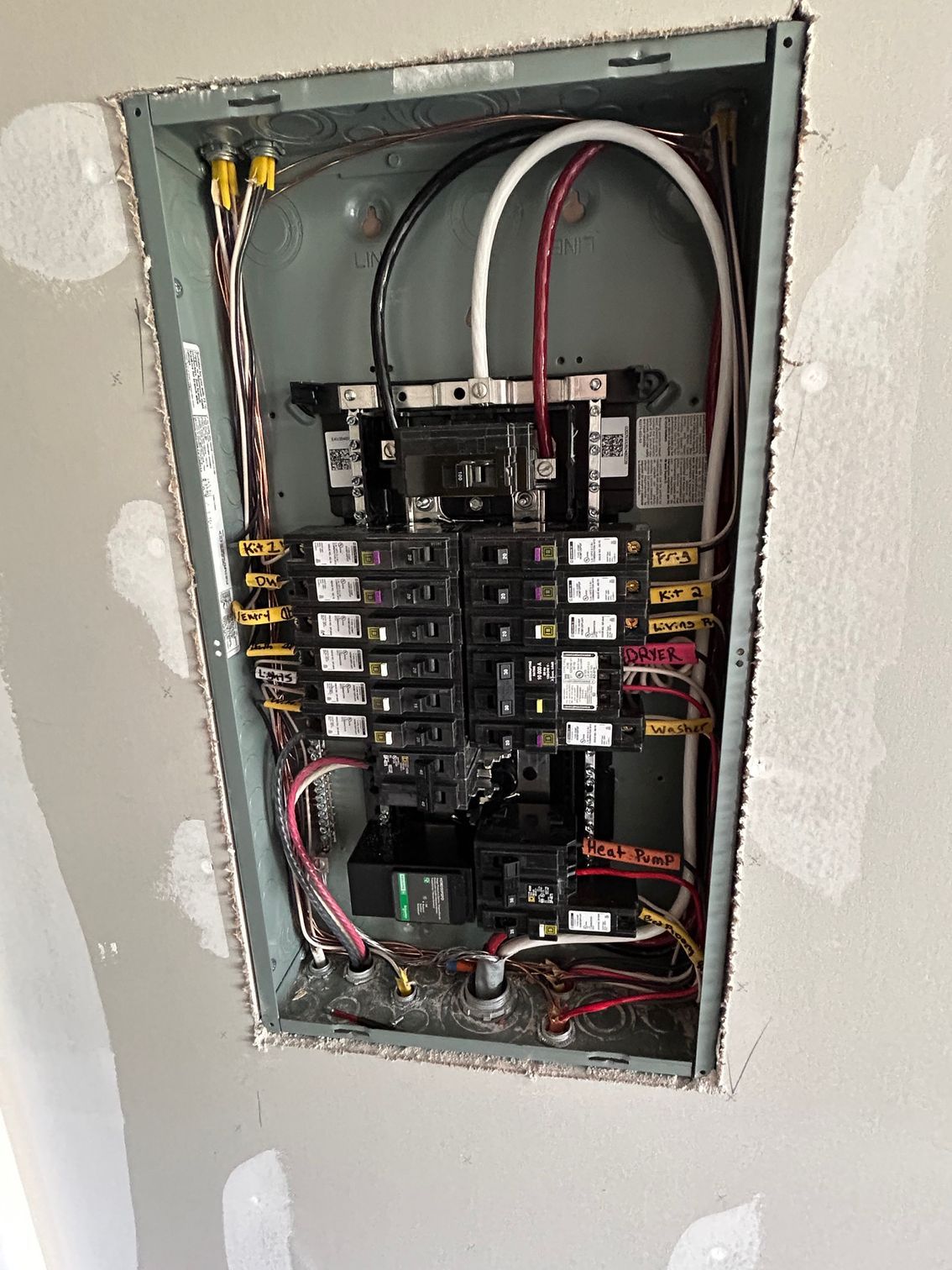
Many Central Maine homes still operate with electrical panels installed decades ago, before modern electrical loads from computers, large appliances, electric vehicle chargers, and heat pumps became standard. These older panels often lack sufficient circuit capacity, use outdated breaker technology that doesn't provide arc fault or ground fault protection required by current codes, or show visible signs of deterioration like rust, overheating damage, or loose bus connections. Some panels use designs later identified as fire hazards, including certain Federal Pacific and Zinsco models that fail to trip properly under overload conditions. Cushnoc Electric specializes in electrical panel upgrades across Augusta and the surrounding region, replacing outdated or inadequate panels with modern equipment that handles current electrical demands safely. The work involves more than swapping the panel box itself—it requires properly sizing the new panel, transferring circuits while maintaining code compliance, and ensuring all connections meet current safety standards.
Panel upgrade work starts with evaluating your current electrical load and future needs, then selecting a replacement panel with adequate circuit capacity and appropriate amperage rating. The electrician must coordinate utility disconnect if the service entrance requires upgrading, transfer all existing circuits to new breaker positions, and install required safety devices like arc fault and ground fault breakers that weren't present in older panels. In homes where the service entrance itself is undersized, the panel upgrade may require utility service upgrades to deliver sufficient power to the building.
Request a panel evaluation to determine whether your current electrical panel meets safety standards and provides adequate capacity for your home's electrical needs.
What Changes After Panel Replacement
Electrical panel upgrades involve disconnecting power to the entire building, removing the old panel and associated hardware, mounting the new panel enclosure, and reconnecting every circuit through appropriately sized breakers in the new panel. Each connection must be tightened to proper torque specifications, wire lengths must be adequate without excessive slack, and all circuits must be labeled clearly to identify what they control. Modern panels include separate neutral and ground buses that weren't present in older designs, requiring careful separation of these conductors during the upgrade. The electrician also installs arc fault circuit interrupters on bedroom circuits and ground fault protection on bathroom, kitchen, and outdoor circuits as required by current electrical code.
After the electrical panel upgrade is finished, your home operates with properly rated overcurrent protection on every circuit, breakers trip reliably when overloads occur rather than allowing dangerous conditions to persist, and the panel includes room for additional circuits if you need them in the future. Modern safety features like arc fault protection shut down circuits when they detect the electrical signatures of dangerous arcing, preventing fires that older panels couldn't detect. You'll notice the panel box itself shows no signs of overheating, rust, or deterioration, breakers switch on and off smoothly without resistance, and all circuits are clearly identified inside the panel door. Homes with upgraded panels pass electrical inspections required for property sales and insurance coverage, and the electrical system gains capacity to handle equipment additions without overloading.
Panel upgrades sometimes reveal wiring issues that weren't visible with the old panel in place, including aluminum wiring that requires special connection techniques, cloth-insulated wiring that should be replaced, or improper grounding that needs correction. Addressing these issues during the panel upgrade ensures the entire electrical system meets current safety standards, not just the panel itself.
Common Questions About This Service
Homeowners throughout the Cushnoc region frequently ask about when panel upgrades become necessary and what the process involves, particularly in older Maine properties.
What signs indicate a home needs an electrical panel upgrade?
Visible indicators include breakers that trip frequently under normal loads, scorch marks or melting inside the panel, rust or corrosion on the panel box or connections, a burning smell near the panel, breakers that feel hot to the touch, or panels that use fuses rather than circuit breakers. Homes built before 1990 often have panels that lack capacity for modern electrical demands even if they show no obvious damage.
How long does electrical panel replacement typically take?
Most residential panel upgrades are completed in one day, though homes requiring service entrance upgrades or extensive electrical system corrections may need additional time. The electrician coordinates utility disconnection and reconnection, which affects the schedule, and work must pass inspection before power is fully restored to all circuits.
What electrical panel amperage do Augusta area homes need?
Most modern homes require at least 200-amp service to handle standard electrical loads including heating, cooling, major appliances, and lighting. Homes with electric heat, electric vehicle chargers, or workshops with heavy equipment may need larger service. The electrician calculates actual load requirements based on what's installed and planned additions.
Why do some insurance companies require panel upgrades?
Certain panel brands including Federal Pacific Stab-Lok and Zinsco are known to fail in ways that create fire hazards, with breakers that don't trip under overload conditions or bus connections that overheat. Insurance companies often refuse coverage or charge higher premiums for homes with these panels until they're replaced with modern equipment that provides reliable overcurrent protection.
What happens to existing circuits during a panel upgrade?
All circuits currently operating in your home are transferred to new breakers in the replacement panel, maintaining the same functional layout you had before. The electrician may consolidate circuits that were improperly shared, separate neutrals and grounds that were incorrectly bonded in the old panel, and add required safety breakers, but your lights, outlets, and appliances continue working on the same circuits after the upgrade is complete.
Cushnoc Electric handles electrical panel upgrades throughout Central Maine with focus on safety and code compliance. Call directly to discuss your current panel condition and schedule an evaluation that determines whether an upgrade is needed and what capacity your electrical system requires for reliable, safe operation.