

Complete Systems Designed for Modern Electrical Needs
New Construction Electrical in Augusta for Maine construction projects requiring full electrical installations
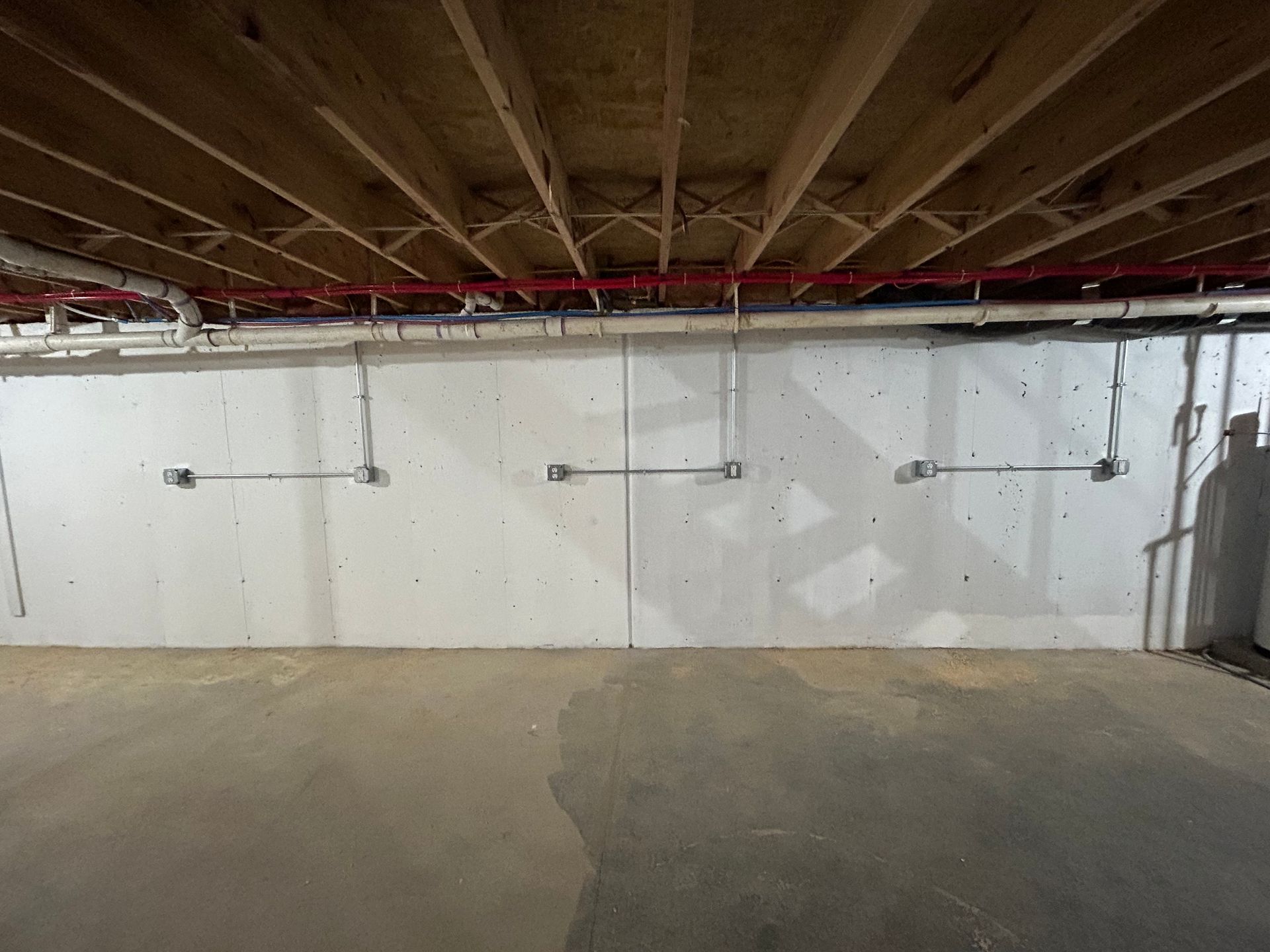
New construction in Central Maine requires electrical systems planned from the ground up to handle modern loads including heat pumps, electric vehicle charging, home offices with multiple devices, and appliances that didn't exist when many existing homes were built. Cushnoc Electric provides complete electrical installations for new Maine construction where the system must accommodate current needs while allowing capacity for future additions. The work involves coordinating with other trades through each construction phase—from underground service trenching before foundation work to final device installation after finish surfaces are complete.
New construction wiring begins with load calculations that determine service entrance size, followed by panel placement that minimizes circuit run lengths and allows convenient access. Rough-in work happens after framing is complete but before insulation, when wire can be pulled through studs and boxes positioned at precise locations for switches, outlets, and fixtures. Each circuit must be planned for specific loads with wire gauge and breaker size matched appropriately.
Call to discuss your new construction electrical requirements and coordinate the installation timeline with your building schedule.
Why New Construction Electrical Requires Comprehensive Planning
Effective new construction electrical work depends on understanding how the building will be used and where electrical demand will be concentrated. Kitchens require dedicated circuits for refrigerators, microwaves, dishwashers, and disposal units, plus small appliance circuits for countertop equipment. Bathrooms need GFCI-protected outlets and dedicated circuits for high-draw items like heated towel racks or ventilation fans with heaters. The rough-in phase establishes all wire routing and box locations, which can't easily be changed once walls are closed and finished.
When the installation is complete, every room has adequate outlets positioned where furniture layouts won't block access, lighting circuits are zoned logically with switches located at natural entry points, and the panel has labeled circuits with room for expansion as needs change. You won't see extension cords running across rooms or power strips overloaded because outlet placement was an afterthought.
The system also includes proper grounding and bonding throughout the structure, surge protection at the main panel to guard against voltage spikes from lightning or utility switching, and separation between low-voltage wiring for data and communications and line-voltage electrical circuits to prevent interference. Maine's harsh weather makes whole-house surge protection particularly valuable given the frequency of lightning strikes and power quality issues during storm events.
Questions Before Starting Your Project
Builders and property owners starting new construction projects want to understand the electrical process and what decisions need to be made during each construction phase.
What decisions need to be made before rough-in begins?
You need to finalize floor plans with furniture layouts to position outlets correctly, select lighting fixture types so boxes can be located and sized appropriately, determine whether you'll install electric vehicle charging or other high-draw equipment requiring dedicated circuits, and verify service entrance size based on total calculated load.
How does rough-in timing coordinate with other trades?
Electrical rough-in happens after framing and before insulation, requiring that plumbing and HVAC rough-in be completed first so electrical routing can avoid conflicts, and that the building be dried-in enough to protect wire and devices from weather exposure during the installation period.
Why does service entrance size matter for new construction?
Undersizing the service entrance saves minimal cost initially but prevents adding capacity later without expensive service upgrades, while proper sizing based on realistic load calculations including potential future additions costs little more upfront and provides flexibility as electrical needs inevitably increase.
What electrical code requirements are specific to Maine new construction?
Maine adopts the National Electrical Code with amendments, and new construction in Augusta must meet current code including arc-fault protection on bedroom circuits, tamper-resistant receptacles throughout habitable spaces, and specific requirements for outdoor receptacles and lighting given the climate conditions common to the region.
How does new construction wiring differ from remodeling work?
New construction allows optimal routing with minimal wire length and no patching of finished surfaces, circuits can be planned exactly for intended loads rather than working within existing panel limitations, and all work can be inspected at rough-in stage before walls close rather than fishing wire through completed structures.
Cushnoc Electric handles new construction electrical installations for Central Maine projects where the system must meet code requirements and provide capacity for modern electrical needs. Set up a project consultation to review your construction plans and establish the electrical installation timeline.