

Electrical Updates That Match Renovation Scope
Electrical Remodeling in Augusta for Central Maine renovation projects requiring electrical system modifications
Remodeling projects in older Maine homes routinely uncover electrical systems that no longer meet code or can't support the updated space's electrical demand. Walls opened for other renovations reveal knob-and-tube wiring, undersized circuits feeding multiple rooms, or junction boxes buried behind finished surfaces where code prohibits them. Cushnoc Electric handles electrical remodeling for Central Maine properties where renovation work requires updating circuits, relocating panels or subpanels for better access, adding capacity for new appliances or equipment, and bringing existing wiring up to current code standards. The challenge involves working within existing structural constraints while coordinating electrical rough-in with the general renovation timeline.
Remodeling electrical work begins with evaluating what existing circuits can remain versus what must be replaced, determining whether the main panel has capacity for additional circuits the renovation requires, and planning new wire routing through walls that may have insulation, blocking, or other utilities already in place. Unlike new construction where studs are open, remodeling often requires fishing wire through closed walls or running conduit on surfaces where concealed routing isn't possible.
Schedule a pre-renovation electrical assessment to identify what your project will require before walls are opened.
What You Notice Once Remodel Electrical Work Is Finished
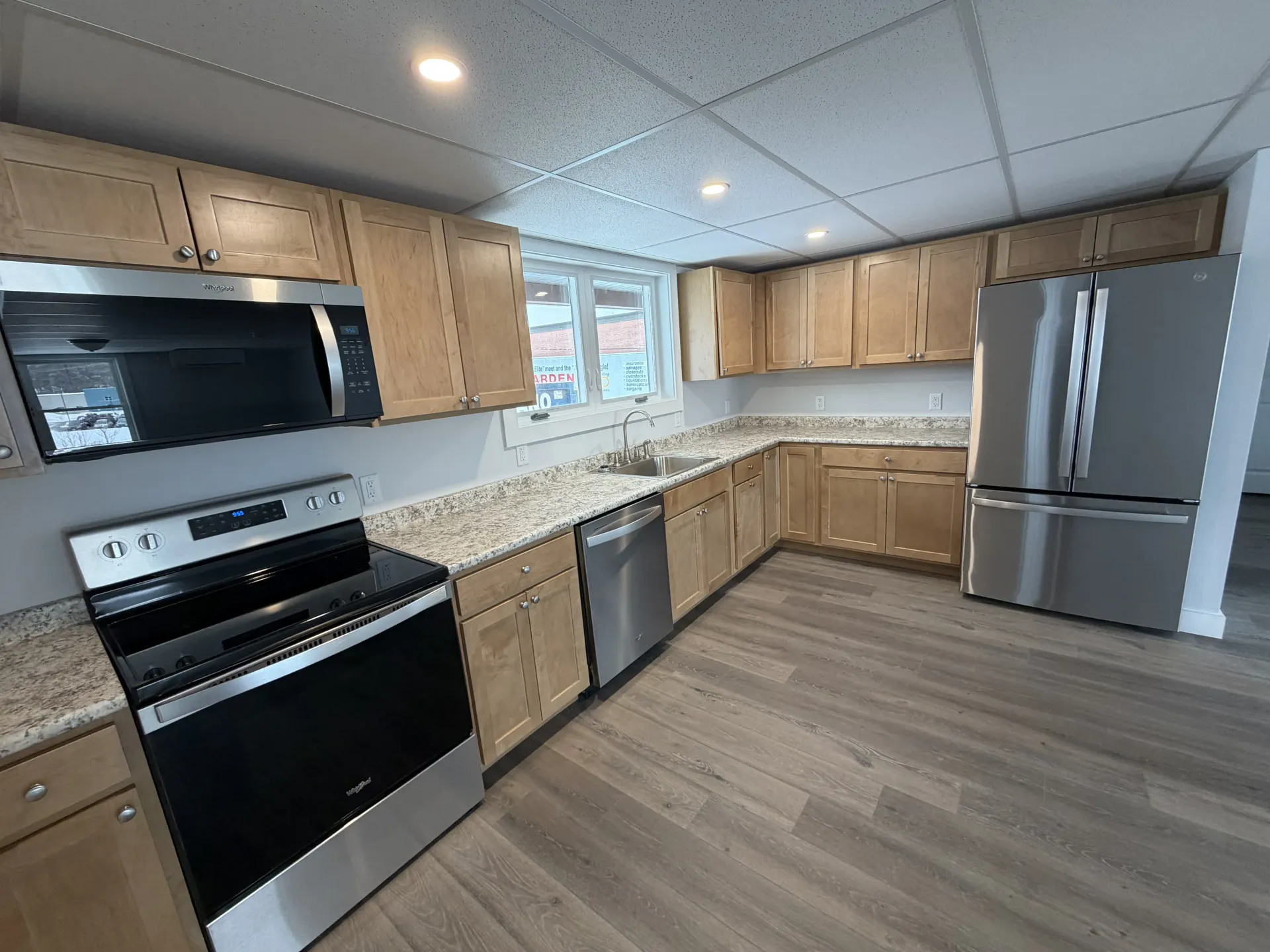
Remodeling electrical work addresses both the immediate renovation needs and underlying deficiencies that become apparent once walls are opened. Kitchen remodels typically require relocating outlets to serve new counter layouts, adding circuits for appliances that weren't present when the home was built, and installing under-cabinet lighting with switched controls. Bathroom renovations need GFCI protection on all outlets, ventilation fans sized appropriately for the space, and sometimes heated floor circuits that require dedicated breakers and floor-sensing thermostats.
After completion, the renovated space has outlets positioned where you actually need them without relying on extension cords, lighting that matches the new layout rather than illuminating where walls used to be, and circuits sized to handle equipment loads without tripping breakers when multiple items run simultaneously. Old wiring that posed fire or shock hazards has been removed and replaced with current-code installations that will pass inspection and function safely.
The work often includes upgrading from two-prong outlets to grounded three-prong receptacles where proper grounding can be established, replacing outdated switch configurations with modern devices including dimmers or programmable controls, and ensuring all connections are made in accessible junction boxes rather than spliced behind drywall. Remodels also provide opportunities to add whole-house surge protection, upgrade smoke detector interconnection, or install arc-fault breakers on circuits serving bedrooms where code now requires them.
What Property Owners Usually Ask
Homeowners planning renovation projects want to know how electrical work integrates with the overall remodeling timeline and what problems might surface once walls are opened.
What electrical issues commonly appear during Maine remodeling projects?
Older homes often contain knob-and-tube wiring that needs complete replacement, insufficient circuits serving multiple rooms through daisy-chained outlets, aluminum wiring requiring special connection methods, and missing or inadequate grounding that must be corrected when updating outlets or adding new circuits.
How does electrical remodeling timing work with general renovation schedules?
Electrical rough-in happens after demolition and framing modifications but before insulation and drywall, requiring coordination so electrical work doesn't delay other trades, and final device installation occurs after painting and finish work to avoid damaging new outlets and switches during construction activity.
Why do remodeling electrical costs vary more than new construction?
Unknowns hidden behind walls—like discovering that circuits must be completely replaced rather than extended, finding that the panel lacks capacity requiring service entrance work, or encountering structural obstacles that complicate wire routing—only become apparent once demolition exposes existing conditions.
What happens if the existing panel can't support the remodeled space?
When available breaker spaces are full or when adding planned circuits would exceed the panel's rated capacity, either a subpanel can be installed to distribute new circuits if the main service has adequate capacity, or a service entrance upgrade may be required before the remodeling electrical work can proceed.
How does remodeling electrical work differ across Augusta and Central Maine properties?
Homes built in different eras present different challenges—1950s construction often has inadequate grounding and insufficient circuits, 1970s homes may contain aluminum wiring requiring evaluation, and even 1990s properties sometimes need panel upgrades to support modern loads including heat pumps and electric vehicle charging that have become common additions.
Cushnoc Electric specializes in remodeling electrical work where existing system limitations must be addressed while meeting the renovation's new requirements. Arrange a property visit to evaluate your remodeling electrical needs and discuss how the work coordinates with your renovation timeline.