
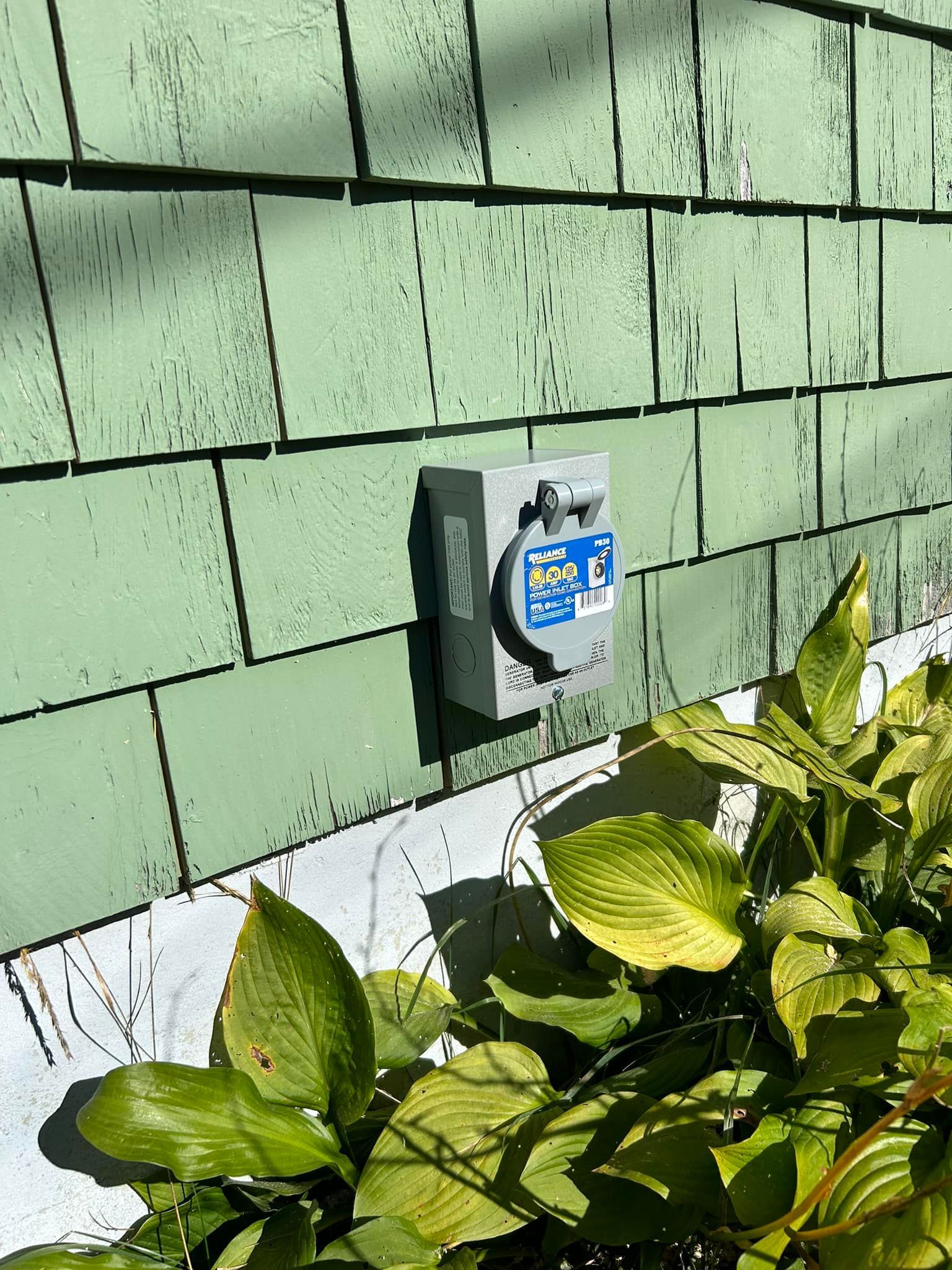

Backup Power for Extended Outages
Generator installation in Augusta for properties requiring reliable backup power during Maine's frequent winter storms
Power outages lasting hours or even days occur regularly in Central Maine, particularly during winter ice storms and nor'easters that bring down power lines and damage electrical infrastructure. Without backup power, homes lose heat during the coldest periods, sump pumps stop working when basements flood, and refrigerated food spoils. Businesses face revenue loss, security system failures, and potential property damage when power remains out for extended periods. Generator installation provides automatic backup power that activates within seconds of an outage, keeping essential systems running until utility power returns. Cushnoc Electric handles complete generator electrical hookups across the Cushnoc region, from properly sizing the generator to match your actual power needs to connecting it safely to your electrical system through a transfer switch that prevents backfeeding into utility lines.
Installing a backup generator involves more than setting the unit in place and running a power cord. The electrical connection requires a transfer switch that isolates your building from the utility grid during generator operation, preventing dangerous backfeed that could injure utility workers or damage the generator. The electrician must calculate which circuits you need powered during outages, verify that the generator produces sufficient wattage to handle those loads, and install appropriate overcurrent protection for the generator circuits.
Schedule a site evaluation to determine proper generator sizing and identify the best location for installation based on your property layout.
How Generator Electrical Connections Work
Generator installations begin with load calculations that identify which circuits must remain operational during outages and how much power they'll draw simultaneously. Essential circuits typically include heating systems, well pumps, refrigeration, lighting, and sump pumps, though the specific selection varies based on individual needs. The transfer switch installation creates a safe connection point between the generator, your electrical panel, and the utility service, using mechanical or electronic switching that physically disconnects utility power before generator power connects. This prevents the generator from sending electricity back into utility lines, which creates electrocution hazards for line workers and can damage the generator when utility power is restored.
After generator installation is complete, your backup power system activates automatically when utility power fails, typically within ten to thirty seconds depending on the transfer switch type. Selected circuits continue operating without interruption beyond that brief transition period, heating systems restart and maintain temperature, and refrigerators keep food safe. You'll hear the generator start and run outside, but inside the building electrical systems function normally on backed-up circuits. When utility power returns, the transfer switch reconnects to grid power and shuts down the generator after a brief cool-down period.
Generator electrical installations also include proper grounding of the generator itself, weather-resistant connections for outdoor installations, and in some cases dedicated circuits for the generator that don't connect through the main panel. Maine's freeze-thaw cycles require attention to conduit installations and connection points where moisture infiltration could cause corrosion or shorts over time.
Questions Before Starting Your Project
Property owners considering generator installation ask practical questions about how the systems operate and what the installation process involves.
What size generator do Augusta area properties typically need?
Sizing depends on which circuits you want backed up and their combined electrical load. Whole-house generators for average homes typically range from fifteen to twenty-two kilowatts, while systems backing up only essential circuits may use eight to twelve kilowatt units. Businesses require individual load calculations based on equipment that must continue operating during outages.
How does the transfer switch know when to activate the generator?
Automatic transfer switches monitor utility voltage continuously. When voltage drops below a set threshold for more than a few seconds, indicating a power failure rather than a brief flicker, the switch signals the generator to start. Once the generator reaches proper operating speed and voltage, the switch disconnects utility power and connects generator power to your electrical panel.
Where should generators be installed on Maine properties?
Generators need level mounting surfaces with clearance from buildings, windows, and air intakes per manufacturer specifications and local codes. The location must allow for exhaust ventilation, provide protection from snow accumulation that could block airflow, and position the unit where noise won't create issues for neighbors. Fuel supply connections and electrical conduit runs also influence optimal placement.
What maintenance do installed generators require?
Generators need regular exercise runs to keep internal components lubricated and verify operation, typically weekly automatic test cycles lasting ten to fifteen minutes. Annual professional maintenance includes oil changes, filter replacements, battery testing, and load testing to confirm the system will perform during actual outages. Winter preparation in Central Maine includes ensuring snow doesn't block vents and that batteries maintain charge in cold temperatures.
How do generator installations handle permits and inspections?
Generator electrical connections require permits in most jurisdictions, and the installation must pass inspection before being approved for operation. Cushnoc Electric handles permit applications and ensures installations meet both manufacturer requirements and local electrical codes, including proper transfer switch installation, grounding, and overcurrent protection that satisfy inspection standards.
Cushnoc Electric completes generator installations throughout the Cushnoc region with attention to proper electrical connections and code compliance. Contact us directly to discuss your backup power needs and arrange a site visit that determines the right generator size and installation approach for your specific situation.